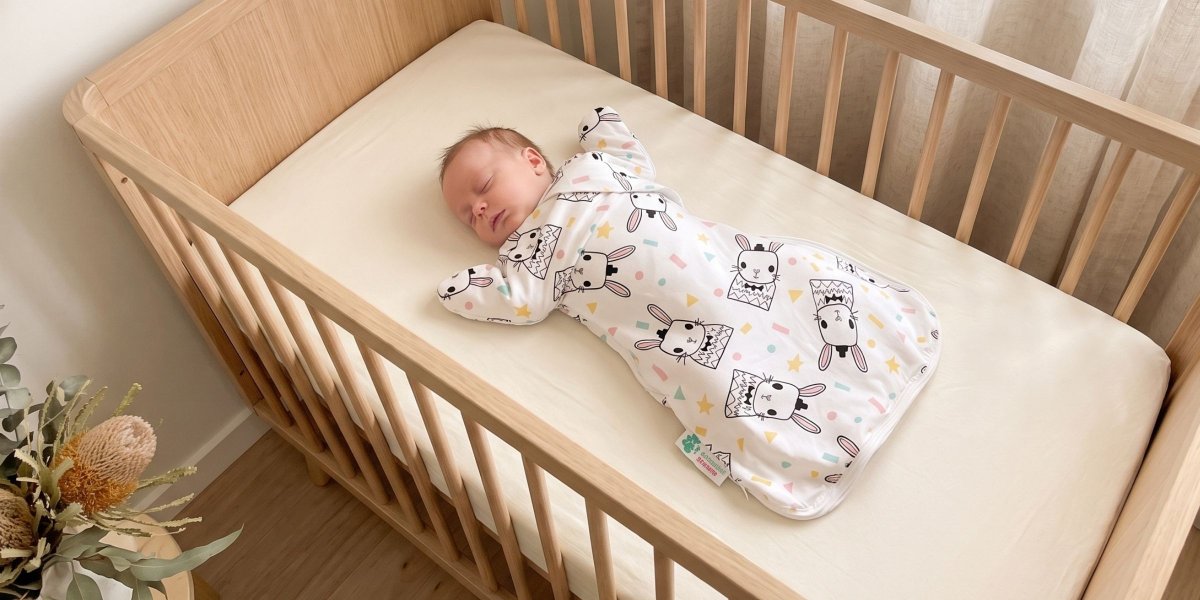
Article: Baby Growth Spurts and Sleep: A Survival Guide for Tired Aussie Parents
Baby Growth Spurts and Sleep: A Survival Guide for Tired Aussie Parents
It’s 3:00 AM, you’ve just finished the third cluster feed in two hours, and you’re seriously considering if the coffee machine can be moved to the bedside table. If your once-settled bub is suddenly acting like a tiny, ravenous house guest who refuses to leave the milk bar, you aren't alone. Dealing with the intersection of baby growth spurts and sleep can feel like trying to fold a fitted sheet in the dark; it’s messy, confusing, and someone usually ends up crying. You might be worried your milk supply has vanished or that your carefully crafted routine is gone for good, but this intense phase is actually a sign that your little one is hitting some incredible developmental milestones.
We know you're exhausted, and we're here to tell you that your baby’s sleep isn't broken forever. This guide will help you identify the telltale signs of a spurt, manage those disrupted nights with empathy and a bit of Aussie humour, and choose the right sleepwear as your bub outgrows their swaddle. We will also provide a clear timeline of when this phase typically ends and share practical ways for you to sneak in some much-needed rest while your little legend does the hard work of growing.
Key Takeaways
- Understand that baby growth spurts and sleep disruptions are normal, temporary phases driven by your bub's need for extra calories to fuel their physical transformation.
- Master the "Quick-Check" framework to distinguish between a growth spurt and a sleep regression, helping you decide if your little one needs an extra feed or a different settling technique.
- Embrace the "Path of Least Resistance" strategy to prioritise your own rest and ensure your bub is physically comfortable before attempting a settle.
- Recognise the physical signs that your bub is outgrowing their swaddle and learn how to safely transition to stage-based sleepwear that allows for more movement and safety.
The 'Hungry Caterpillar' Phase: Identifying Baby Growth Spurts and Sleep
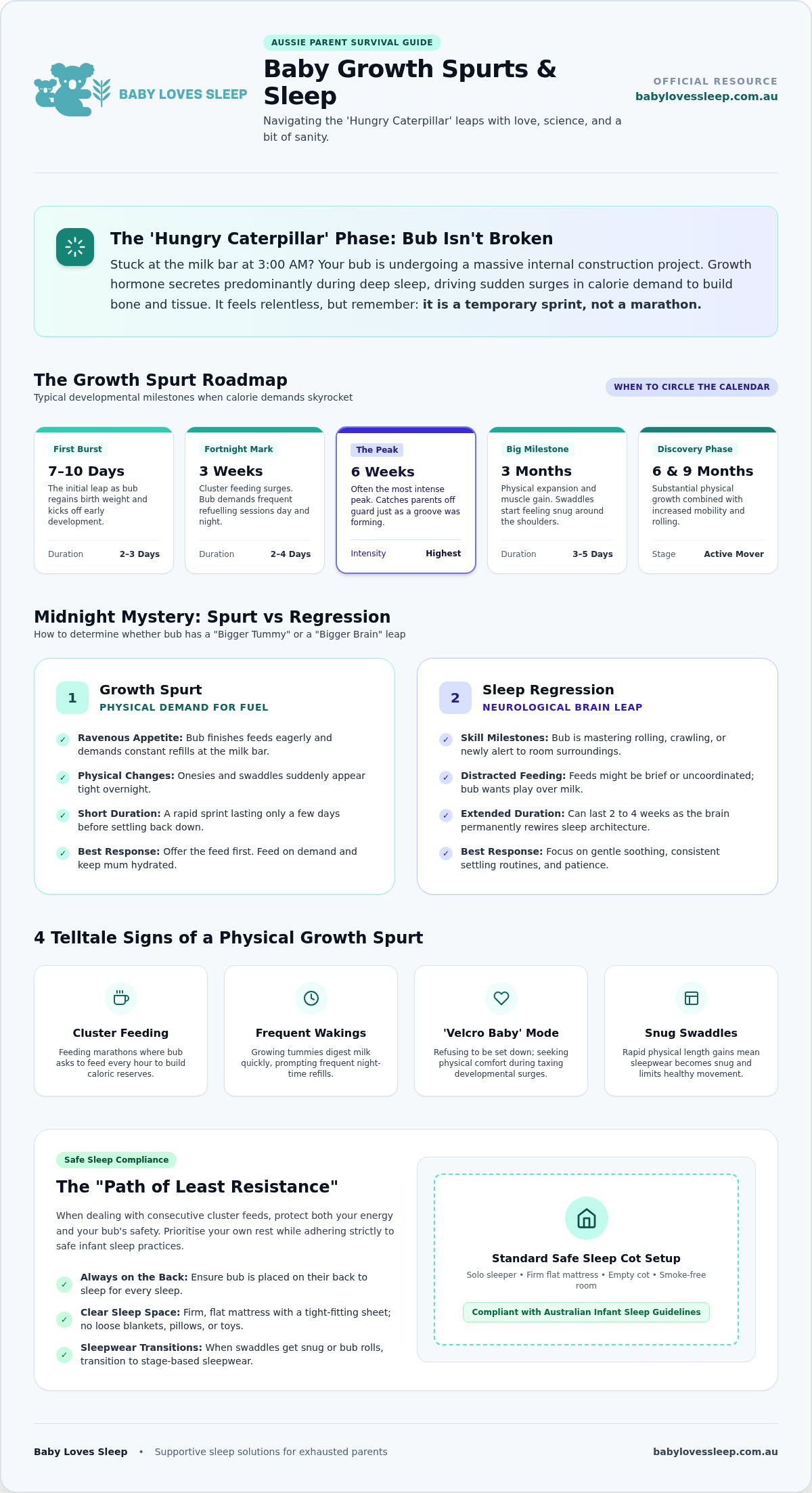
Think of a growth spurt as a massive construction project happening inside your baby’s body. It is a rapid burst of physical development where their calorie demand suddenly skyrockets to fuel new bone and tissue growth. We often call this the 'Hungry Caterpillar' phase because, much like the famous book character, your bub is eating through everything in sight to prepare for a literal transformation. If you feel like your little one has turned into a permanent fixture at the milk bar, it isn't your imagination. They really are hungrier, and their body is working overtime. Research supported by peak bodies like the Australasian Sleep Association (ASA) highlights a direct link between adequate sleep and optimal physical development. This is because up to 80% of a child’s daily growth hormone is released in intense pulses during deep, slow-wave sleep.
Understanding these infant development stages helps make the long nights feel a bit more purposeful. While the disruption to your routine is exhausting, it is a sign that your baby is healthy and thriving. This intense period of baby growth spurts and sleep changes is usually short-lived, even if it feels like an eternity when you're staring at the clock at 4:00 AM.
Signs Your Bub is Growing (And Why They’re Suddenly Ravenous)
The most obvious sign is a bottomless appetite. You might find yourself in a cluster feeding marathon where bub wants to feed every hour. It is perfectly okay to plant yourself on the couch with a large water bottle and some snacks; your only job right now is being the caterer. You’ll also notice changes in their sleep patterns. While some babies might sleep for longer stretches to recover, most will wake more frequently because their growing tummies need constant refilling. This often comes with 'Velcro baby' syndrome, where they refuse to be put down. They aren't being difficult; they are just seeking the comfort and calories they need to get through this big physical leap.
The Growth Spurt Timeline: When to Circle the Calendar
While every baby follows their own rhythm, there are common milestones when these spurts typically occur. Knowing when they’re coming won't stop the exhaustion, but it might help you mentally prepare.
- The First Fortnight: Expect the first major burst between 7 to 10 days, followed closely by another at the 3-week mark.
- The 6-Week Peak: This is often the most intense one and frequently catches parents off guard just as they thought they’d found a groove.
- The Big Milestones: Major spurts usually happen at 3 months, 6 months, and 9 months.
The 3 to 6 month window is particularly significant as babies often become more physically active, making our Stage 3 Growth & Discovery collection a helpful transition for their changing needs.
Growth Spurt or Sleep Regression? Solving the Midnight Mystery
Is it a growth spurt, or has the sleep fairy just handed in her resignation? When you’re staring at your bub at 2:00 AM, it’s hard to tell if they need a snack or a mental workout. While these two events often overlap, they have different primary drivers. A growth spurt is a physical demand for fuel, whereas a sleep regression is a neurological shift. Interestingly, research on sleep and growth spurts suggests that these physical leaps are often preceded by periods of increased sleep duration, but once the spurt hits, the frequent waking for feeds takes over. The good news is that physical spurts are usually shorter-lived than true regressions. If you can identify whether it’s a "bigger tummy" or a "bigger brain" day, you can adjust your response with a lot more confidence.
Spotting the Difference: Body Length vs. Brain Leaps
Growth spurts are primarily physical. Your baby will be ravenous, focusing on the milk bar with single-minded intensity. You’ll notice they are literally outgrowing their clothes overnight. Sleep regressions, however, are neurological. This is when they learn to roll, crawl, or suddenly realise the world is far too interesting to miss. The 4-month mark is often the "perfect storm" for many families because these two milestones frequently collide. One sign that it’s definitely a physical spurt is if their swaddle suddenly looks a bit too snug. A baby who is physically larger and more active needs room to move, and a swaddle that has become too tight can cause extra frustration during an already difficult night.
How Long Does the Chaos Last? (Spoiler: It’s Days, Not Weeks)
The best part about a physical growth spurt is that it's a sprint, not a marathon. Most of the intense hunger and waking will settle within 2 to 3 days, or 4 days at the absolute most. Regressions can linger for weeks if we accidentally introduce new "sleep props" to survive the night. It is vital to maintain a gentle sleep routine even when things feel upside down. Consistency provides a sense of security for your bub while their body is changing so rapidly. If you notice they are starting to roll or are getting frustrated by the restriction of a traditional swaddle during this time, it might be the perfect moment to consider a gentle swaddle transition to help everyone get back to sleep sooner.
Survival Strategies for Sleep-Deprived Mums and Dads
Surviving the intersection of baby growth spurts and sleep disruptions requires a temporary shift from a strict routine to a "survival mode" mindset. One of the biggest worries we hear from parents is whether they will spoil their bub by responding to every midnight cry with an extra feed. The short answer is a resounding no. Your baby is following a biological blueprint that demands more energy for physical construction. Feeding them when they are hungry is simply meeting a physical requirement; it isn't creating a permanent bad habit. During these intense bursts, we recommend taking the "Path of Least Resistance". If your little one needs an extra nap at 4:30 PM to get through the afternoon, let them have it. The goal is to keep everyone as calm as possible until the spurt passes, which usually happens within a few days.
Flexible Napping and the Cluster Feed Marathon
The "witching hour" often turns into a "witching marathon" during a spurt. Cluster feeding can be physically draining, so make sure you are looking after yourself too. Keep your water bottle full and a packet of Tim Tams within arm's reach on the couch. While "sleeping when the baby sleeps" is often impossible advice for a busy household, resting your body while they feed is vital for your own stamina. A flexible schedule isn't a sign of failure; it's a sign of a parent who is tuned into their child's changing needs. Always do a quick "Nappy and Feed" check before attempting a settle to ensure their physical comfort is met first.
The Swaddle Squeeze: Checking for Fit as Bub Grows
One thing many parents overlook is the physical fit of their baby's sleepwear. As your bub's length increases during a spurt, their swaddle can suddenly become too tight across the chest or hips. This restriction can cause extra wakefulness as the baby struggles to find a comfortable position. Use the "Two Finger" rule: you should be able to easily slide two fingers between the fabric and your baby's chest. If it feels like a struggle, it is time to move up a size. Our organic cotton designs are specifically chosen for their natural stretch, which accommodates increased metabolic heat and physical growth without compromising safety. If you notice your bub is starting to fight the swaddle or seems restricted during their latest spurt, check out our Stage 3 Growth & Discovery collection for the next step in their sleep journey.
Growing Out and Moving On: Transitioning Sleepwear Safely
A major growth spurt often acts as the "official notice" that it is time to transition from a swaddle. While it is tempting to keep them snug for as long as possible, a baby who is physically larger and hitting new developmental milestones needs the freedom to move. Safety is our absolute priority; once your bub shows signs of rolling or simply becomes too strong for a traditional wrap, arm freedom becomes essential. This allows them to push themselves up or reposition their head if they roll onto their tummy during the night. While the link between baby growth spurts and sleep often feels like a hurdle, it is actually a celebration of your little one’s progress. They are becoming more capable and active, which means their sleepwear needs to evolve alongside them.
Introducing the Sleepy Hugs: The Gentle Transition Solution
If your bub has been living in the Koala Hugs swaddle, the Sleepy Hugs Transition Sleep Sack is the logical next step. Its unique bell-shaped design is the "bridge" parents need when a swaddle becomes too tight during a spurt. It provides enough gentle restriction to manage the Moro reflex, preventing those frustrating mid-nap startles, while still giving their arms and legs the room they need to stretch and grow. This clever design ensures they feel secure without being pinned down, making the shift to free arms much less daunting for everyone involved.
Stage-Based Sleep: Preparing for the Next Milestone
As your baby moves through the 3 to 6 month window, they enter a period of rapid discovery. Our Stage 3: Growth & Discovery collection is specifically designed for these active babies who are no longer newborns but aren't quite ready for the toddler years. Eventually, as growth slows down and they become little explorers, you can move into our Toddler Onesie Sleep Suit for even more mobility. It might feel like you’ve been in the trenches forever, but these growth spurts are just short chapters in a much longer story. You are doing an incredible job navigating the exhaustion, and we promise that consistent, restorative sleep will return to your household soon. Hang in there; you’ve got this!
Ready to Conquer the Next Growth Milestone?
Navigating baby growth spurts and sleep disruptions can feel like a test of endurance, but remember that these intense phases are just proof of your little legend’s incredible progress. By distinguishing between physical hunger and neurological leaps, you can respond with the right mix of extra feeds and gentle settling. Don't forget to keep an eye on that swaddle fit; as your bub stretches out, their need for freedom and safety grows too. Transitioning to stage-based sleepwear isn't just about more room; it’s about supporting their new movements while keeping that familiar sense of security.
Our range is designed by an Aussie mum who has been exactly where you are right now. We use premium organic cotton to ensure year-round comfort and breathable rest during those high-metabolic growth peaks. When you’re ready to reclaim some household harmony and give your growing baby the space they need, Explore the Sleepy Hugs Transition Range for Growing Bubs. You’re doing a brilliant job, and that next long stretch of sleep is closer than you think!
Frequently Asked Questions
Do babies sleep more or less during a growth spurt?
Most babies will wake more frequently during a growth spurt because they are genuinely hungry, though some may sleep for longer stretches right before the physical burst happens. This intersection of baby growth spurts and sleep often feels like a step backwards, but it is actually a sign of healthy development. Their body is demanding extra fuel to build new tissue, so those extra midnight snacks are a biological necessity rather than a permanent change to their sleep habits.
How long do baby growth spurts usually last?
A typical physical growth spurt is a short, sharp burst that usually lasts between 2 to 3 days, though some can linger for up to 4 days. While it feels like an eternity when you're cluster feeding at 2:00 AM, the intense hunger and disrupted sleep usually settle back to normal quite quickly once the physical leap is complete. If the disruption lasts for weeks, you might be looking at a sleep regression or a new developmental milestone instead.
Is it a growth spurt or the 4-month sleep regression?
The main difference lies in whether your bub is driven by a bigger tummy or a bigger brain. Growth spurts are primarily physical, involving intense hunger and noticeable weight or length gain that passes within a few days. The 4-month sleep regression is a neurological shift in how their brain processes sleep cycles. If your baby is ravenous and suddenly outgrowing their onesies, it is likely a spurt; if they are practicing rolling and seem wide awake but not always hungry, it’s likely the regression.
Can a growth spurt cause my baby to be extra fussy at night?
Yes, it is very common for babies to be extra fussy and "clingy" during a growth spurt due to increased hunger and the physical energy required for rapid growth. This "Velcro baby" phase is their way of seeking comfort and the extra calories they need to fuel their development. Don't worry about spoiling them during these few days; offering extra feeds and cuddles is exactly what their body is asking for to get through the leap.
Should I wake my baby to feed during a growth spurt?
You generally don't need to wake a healthy, thriving baby to feed during a spurt, as their body will usually prompt them to wake when they need fuel. If your bub is sleeping longer than usual, it’s often because their body is doing the heavy lifting of growing bones and tissue. Unless your healthcare professional has given you specific medical advice to wake them, it is usually best to let them get that vital rest and follow their hunger cues when they wake naturally.
What should my baby wear for sleep when they are outgrowing their swaddle?
When your baby starts outgrowing their newborn swaddle, our Sleepy Hugs Transition Sleep Sack is the ideal solution to provide arm freedom while maintaining a secure feel. This stage-based design is perfect for those 3 to 6 month growth spurts, as it is made from breathable organic cotton that moves with your baby. It allows your bub to move safely as they become more active without losing the gentle restriction that helps them stay settled through the night.