Newborn Sleepwear: The Ultimate 2026 Australian Buying Guide for Tired Mums
Welcome to the 3 AM club. The lights are low, the house is quiet, and you’re gently swaying, rocking, or patting a tiny human who seems to have confused their days and nights. You’re exhausted, running on lukewarm coffee and sheer determination. You’ve probably found yourself staring at your baby, who was sound asleep in your arms moments ago, only to jolt awake with flailing arms the second they touch the cot. Sound familiar?
You’re not alone, and you’re not doing anything wrong. This is the newborn haze, and navigating it is one of parenthood’s first great challenges. The secret to longer, safer stretches of sleep often isn’t a magic trick—it’s a strategic choice. As we head into 2026, the right newborn sleepwear has evolved beyond just a cute outfit; it’s a tool designed to work with your baby’s biology, giving you both the rest you so desperately need.
The 3 AM Zombie Walk: Why Your Choice of Newborn Sleepwear Matters
In the quiet of the night, when you’re wrestling with a swaddle blanket that seems to have more corners than a geometry textbook, it’s easy to feel overwhelmed. But understanding why your newborn wakes so easily is the first step toward solving the puzzle. It’s not about cute PJs; it's about creating a safe, womb-like environment that calms their nervous system and helps them transition from your arms to their cot without a meltdown.
The core of this challenge lies in a completely normal, yet frustrating, biological response: the Moro reflex.
The Moro Reflex: Your Baby’s Natural Alarm Clock
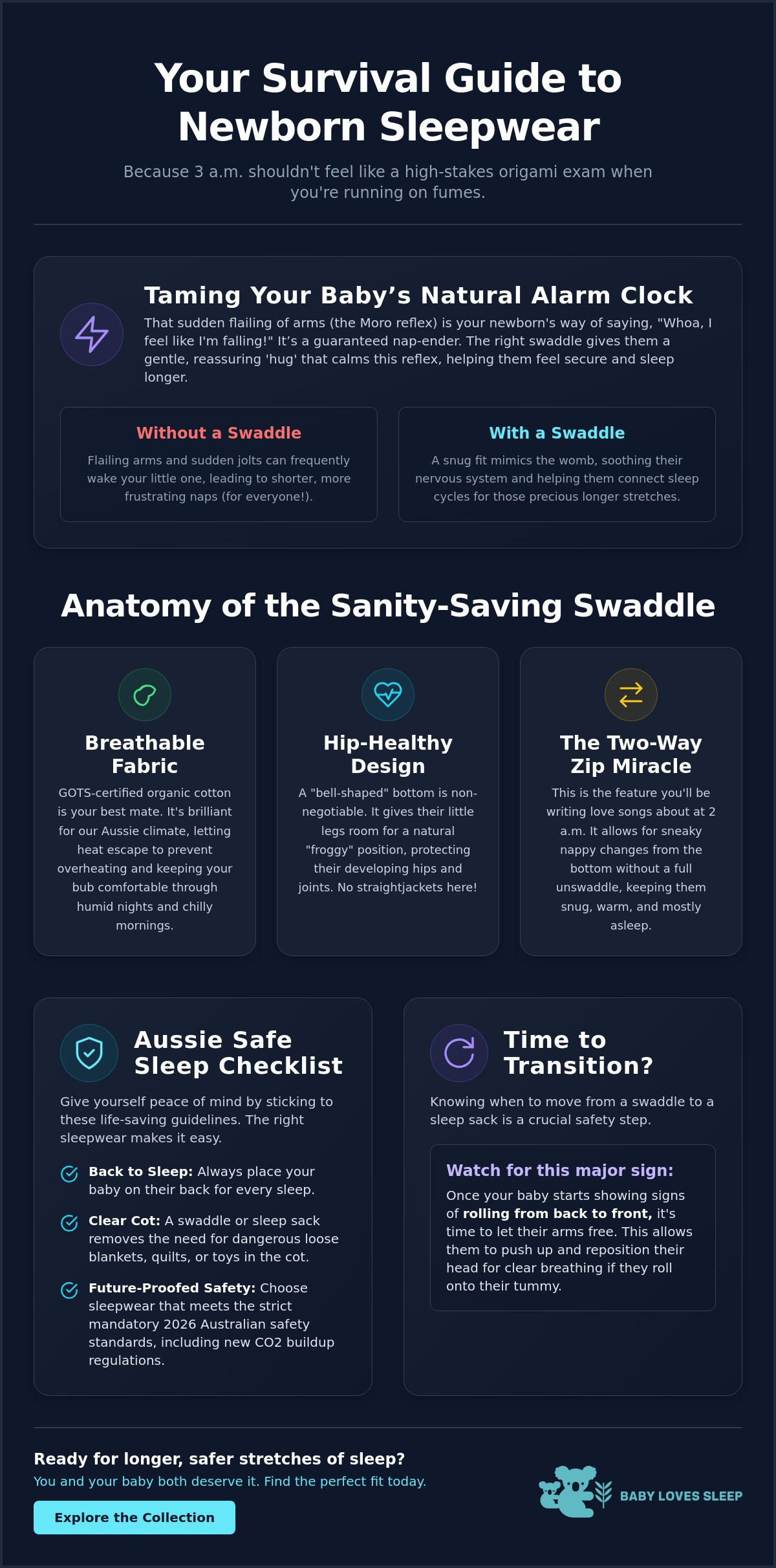
Have you ever seen your baby suddenly throw their arms out to the sides, as if they’ve been startled by a ghost? That’s the Moro, or startle, reflex. It’s an involuntary reaction to a sudden change in sensory input—a loud noise, a quick movement, or even the feeling of being laid down. For a newborn, this sensation can feel like they’re falling, triggering an internal alarm that says, “Wake up! Something’s not right!”
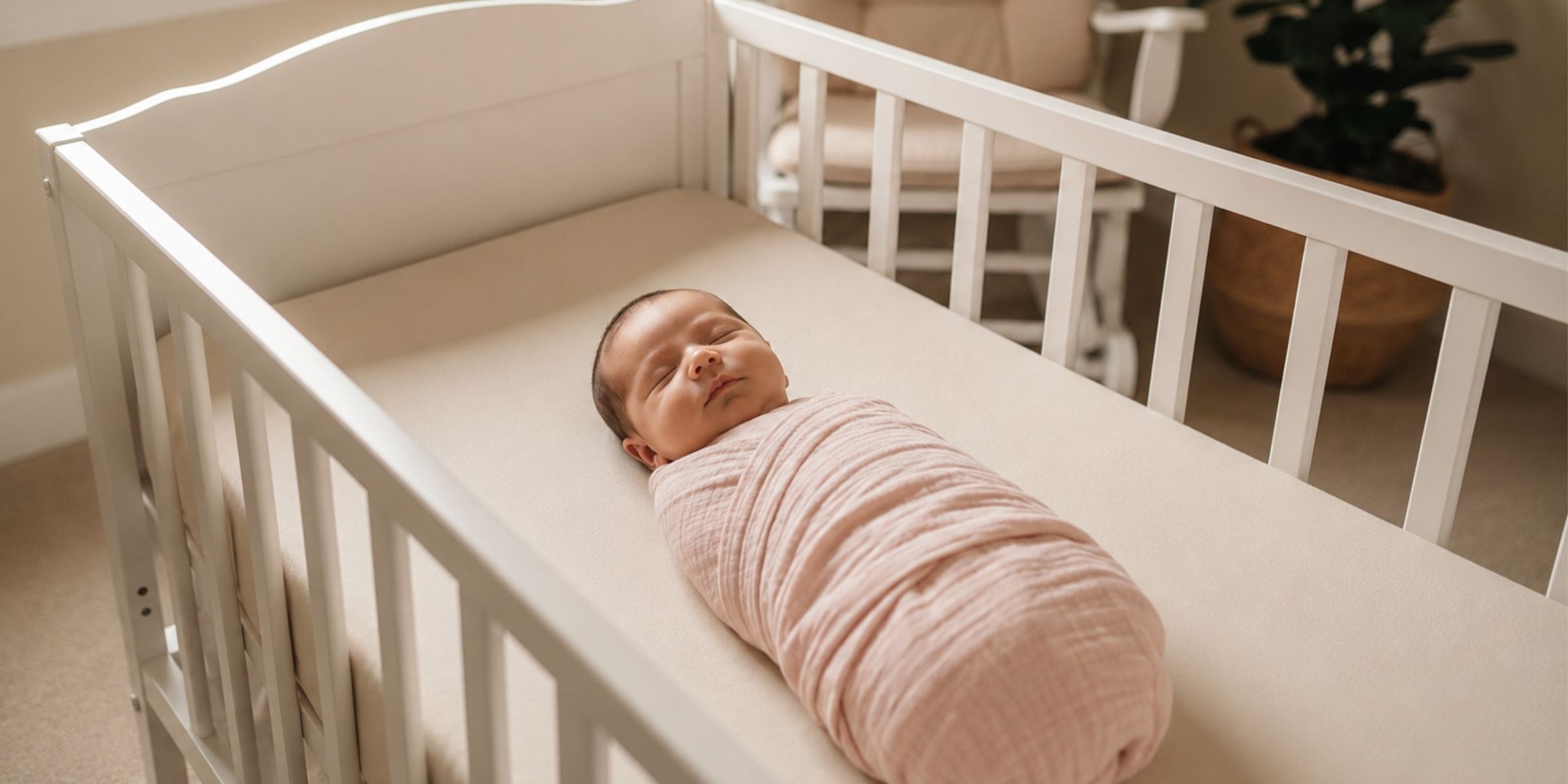
This is where the right sleepwear becomes your superpower. A well-designed swaddle provides a gentle, reassuring "hug" that contains this reflex. By keeping their arms snug, it calms their nervous system and prevents them from startling themselves awake, all without restricting their breathing or natural hip movement.
Safe Sleep 101: The Australian Standards
Before we dive into fabrics and zips, let’s cover the non-negotiables. In Australia, Red Nose Australia provides the gold standard for safe sleep guidelines. The core principles are simple but crucial:
- Back to sleep: Always place your baby on their back to sleep.
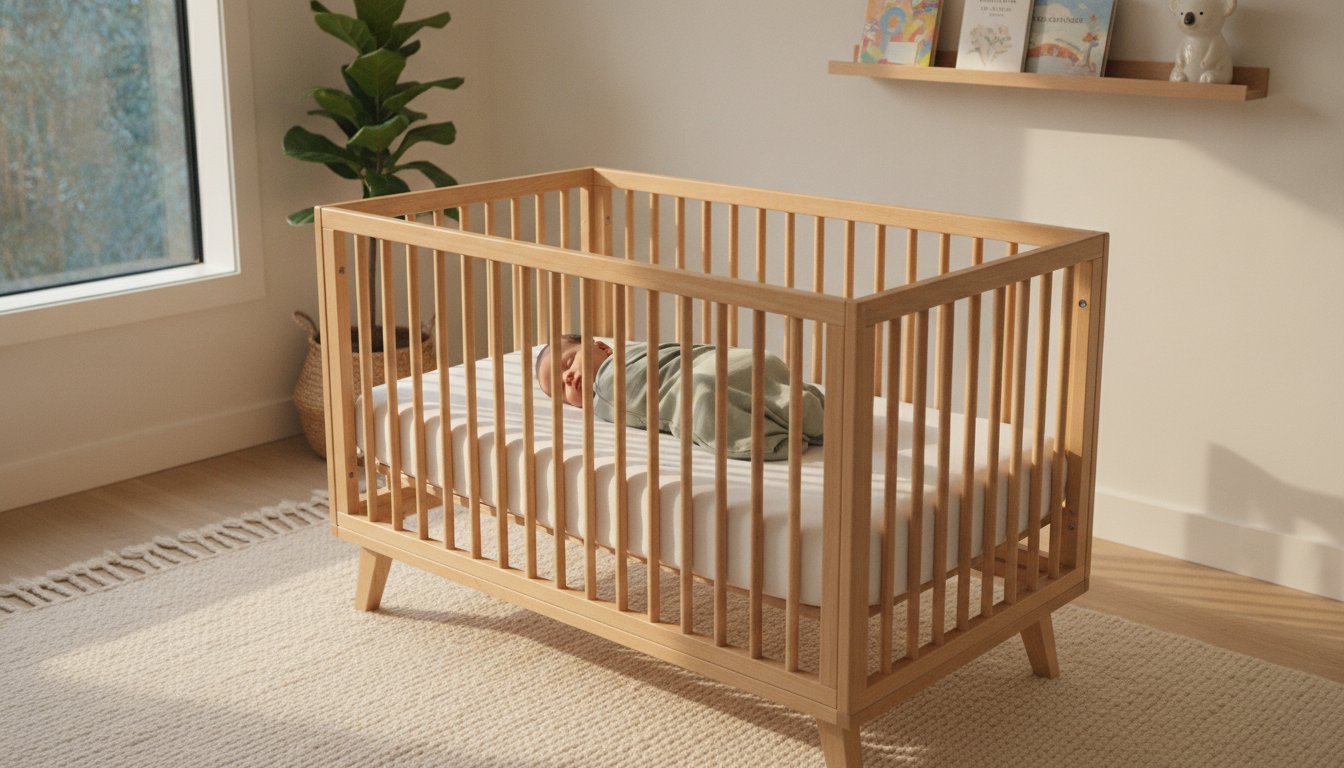
- Clear cot: Keep the cot free of soft toys, loose blankets, pillows, and bumpers.
- Firm surface: Ensure the mattress is firm, flat, and fits the cot perfectly.
The right sleepwear is the final piece of this safety puzzle, keeping your baby warm and secure without the need for dangerous loose bedding. It’s about creating a sleep space that is as safe as it is soothing. For more tips on creating a calm environment, you can learn more about settling techniques for better sleep.
Anatomy of the Perfect Swaddle: Materials, Hips, and Zips
Not all swaddles are created equal. In 2026, the best newborn sleepwear is a masterpiece of thoughtful design, combining safety, comfort, and a deep understanding of what tired parents actually need. Forget trying to master origami with a muslin wrap at 3 AM; modern sleepwear is smarter, safer, and infinitely easier to use.
Why Organic Cotton is a Game-Changer for Baby Skin
A newborn’s skin is incredibly delicate and less able to regulate body temperature than our own. This is especially true in the varied Australian climate, where a cool night can quickly turn into a warm morning. That’s why breathable fabric is essential.
GOTS-certified organic cotton is the hero here. It’s grown without harmful chemicals, making it perfect for sensitive or eczema-prone skin. More importantly, its natural fibres are brilliant at thermoregulation—they wick away moisture and allow air to circulate, which helps prevent the dreaded overheating, a key risk factor for SIDS. It keeps your baby perfectly cosy without the clamminess that synthetic fabrics can cause.
Protecting Little Hips and Joints
While a snug fit around the chest and arms is key to calming the startle reflex, a baby’s legs and hips need freedom to move. Restrictive swaddling that holds the legs straight can interfere with healthy hip joint development and even contribute to hip dysplasia.
Look for sleepwear that is officially certified as "hip-healthy" by the International Hip Dysplasia Institute. These products feature a wide, bell-shaped bottom that allows your baby to rest in the natural "frog-leg" or "M" position. This ensures their hip joints are properly aligned and can develop without restriction. If your little one requires a brace, there are specific solutions available for hip dysplasia sleepwear.
The Two-Way Zip Miracle
Picture this: it’s 2:30 AM, your baby needs a nappy change, but they’re finally, blessedly, asleep. The last thing you want to do is fully unwrap them, exposing them to the cold air and almost certainly waking them up. Enter the two-way zip.
This simple yet ingenious feature allows you to zip up from the bottom, giving you access for a quick, stealthy nappy change while keeping their upper body warm and swaddled. It’s a small detail that makes a monumental difference to preserving sleep (both theirs and yours).
Matching Sleepwear to the Milestone: A Stage-by-Stage Guide
Your baby’s sleep needs aren’t static; they change dramatically in the first year. The key to success is choosing sleepwear that evolves with them. Buying a bit of everything and hoping for the best is an expensive, wasteful strategy. Instead, think of it as a journey with clear stages, each with its own unique requirements.
Stage 1: The Newborn Bubble (0-3 Months)
This is the fourth-trimester phase, where your primary goal is to recreate the snug security of the womb. The Moro reflex is at its peak, so a swaddle that provides a firm, reassuring hug is your best friend.
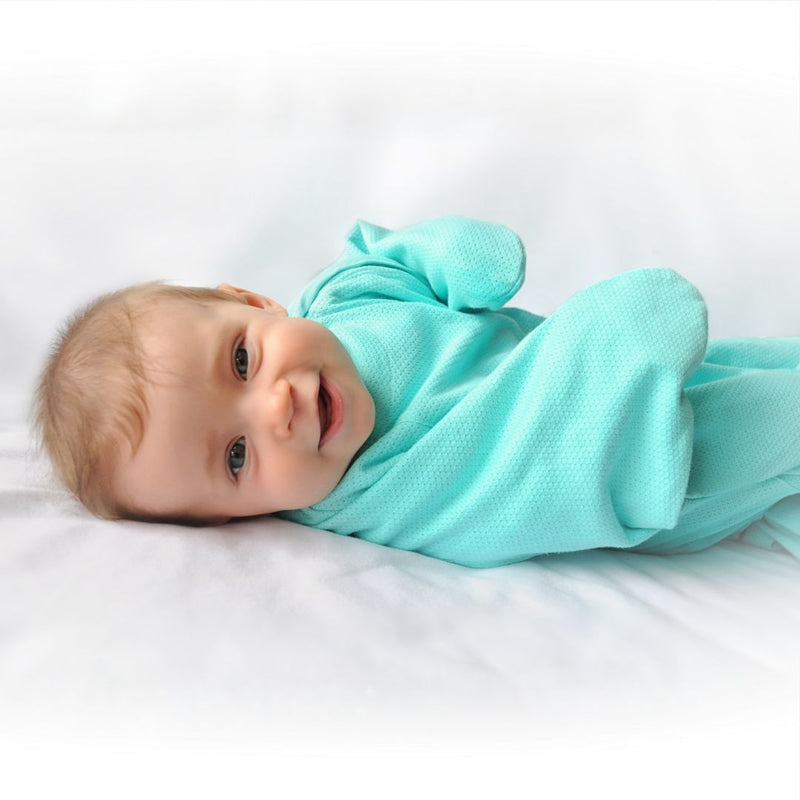
This is the time for a dedicated newborn swaddle like the Koala Hugs, which uses clever built-in arm pockets to contain the startle reflex without complex wrapping. It provides that essential womb-like pressure that calms the nervous system and encourages longer stretches of sleep.
Stage 2: The First Roll (Around 3-4 Months)
The moment you see your baby trying to roll from back to front, it’s a critical safety milestone. Traditional swaddling with arms fully restricted is no longer safe, as they need their arms free to reposition their head if they roll onto their tummy. This is where many parents panic, fearing the end of good sleep.
But it doesn’t have to be. This is the time to graduate to a transition sack, like the Sleepy Hugs. It’s ingeniously designed to give your baby just enough arm movement to roll safely while still providing a slight restriction that offers the familiar security of a swaddle. It’s the perfect halfway house between a swaddle and a sleep sack. If you're feeling anxious, check out our ultimate guide to gentle swaddle transitioning.
Stage 3: Growth & Discovery (From 6 Months)
As your baby becomes more mobile and aware of their surroundings, they might want more freedom. This is the stage of growth and discovery, where they might start to self-soothe by sucking on their hands. Sleepwear needs to adapt to this new skill.
The Hands In & Out sleep sack is designed for this exact phase. It offers the same comforting feel as the transition sack but features flexible, fold-over cuffs. You can start with their hands enclosed and, when they’re ready, open the cuffs to let their hands out for self-soothing or playtime upon waking.
Stage 4: The Toddler Trek (12+ Months)
Once your little one is on the move—crawling, cruising, and walking—a traditional sack can become restrictive. The Cozy Toddler Suit is the final step in the journey. It’s essentially a sleep sack with legs, providing the warmth and security of a sack but the freedom for your active toddler to move around their cot and get in and out of bed safely.
A Quick Word on TOG Ratings
The TOG (Thermal Overall Grade) rating tells you how warm a garment is. Choosing the right TOG for your nursery temperature is vital for preventing overheating.
- 0.4 - 0.7 TOG: Ideal for hot Aussie summers or warm, well-heated homes (24°C and above).
- 1.0 TOG: A versatile, all-seasons weight for moderate climates (20-24°C).
- 2.5 TOG: For cooler winter nights and homes without central heating (16-20°C).
Remember to dress your baby in light layers underneath and always check their neck or back to see if they feel clammy or cold. Never buy sleepwear "to grow into," as loose fabric poses a significant safety risk.
The Baby Loves Sleep Edit: Top Picks for Aussie Nurseries
Navigating the world of baby products can be dizzying. To make it simple, here are our top picks, designed by an Australian mum who’s been in the sleep-deprived trenches and understands exactly what you need.
For the Newborn Stage: Koala Hugs Newborn Swaddle Wrap
This is the clever reinvention of the traditional swaddle for 2026. The Koala Hugs (AUD 58.95) takes the guesswork out of wrapping with its simple zip-up design and unique arm pockets that give your baby that secure, "held" feeling they crave. Made from GOTS-certified organic cotton, it’s breathable, hip-healthy, and the perfect first step to a better night’s sleep.
For the Transition Phase: Sleepy Hugs Original
When those first rolls appear, the Sleepy Hugs Original (AUD 64.95) is your sanity-saver. Its unique design allows for free arm movement for safety while the gentle pressure helps dampen the startle reflex, making the transition from a swaddle smooth and tear-free. It’s the bridge that gets you to the next stage without sacrificing sleep.
Creating a Soothing Ritual
Beyond the right sleepwear, a consistent bedtime routine can work wonders. Incorporating a gentle story like Koko’s Missing Blankie can signal to your baby that it’s time to wind down. These small, consistent steps build a powerful foundation for healthy sleep habits.
Ready to Reclaim Your Sleep?
You’re doing an incredible job. Remember, being a parent is a marathon, not a sprint, and you deserve to have the right tools to make the journey easier. A better night’s sleep isn’t a luxury; it’s a necessity, and it’s a design choice away. You’ve got this.
Shop the Newborn Swaddle Collection and find your solution tonight.
Frequently Asked Questions
What is the best material for newborn sleepwear in Australia?
Without a doubt, GOTS-certified organic cotton is the best choice. Its natural breathability and thermoregulating properties are perfect for the Australian climate, helping to prevent overheating while keeping your baby comfortable. It’s also incredibly soft and ideal for a newborn’s sensitive skin.
How many swaddles or sleep sacks do I actually need for a newborn?
A good rule of thumb is to have three on hand: one for your baby to wear, one in the wash, and one spare for those inevitable midnight nappy leaks or spit-ups. This ensures you’re never caught without a clean, dry option.
Is it safe to swaddle a newborn with their arms up?
Yes, as long as it’s done correctly within a well-designed sleep sack. Some babies are natural "arms-up" sleepers and prefer to have their hands near their face for self-soothing. Transition sacks are specifically designed to allow for this while still providing security. However, once a baby shows signs of rolling, their arms must be free enough to allow them to push up.
What should a baby wear under a swaddle in a 24-degree room?
In a 24°C room, a lightweight swaddle (around 0.4-0.7 TOG) is ideal. Underneath, a short-sleeved bodysuit or even just a nappy is usually sufficient. Always check your baby’s back or neck to ensure they are comfortably warm, not hot or sweaty.
How do I know if my newborn is too hot or too cold while sleeping?
Don’t judge by their hands or feet, as they are often naturally cooler. Instead, feel the skin on the back of their neck or their chest. If it feels hot or clammy, they are too warm and you should remove a layer. If it feels cool, you may need to add a light layer, like a long-sleeved bodysuit, under their sleepwear.
Article researched and written by Malou Villarreal, Founder Baby Loves Sleep and INPAA Baby Safety Ambassador.